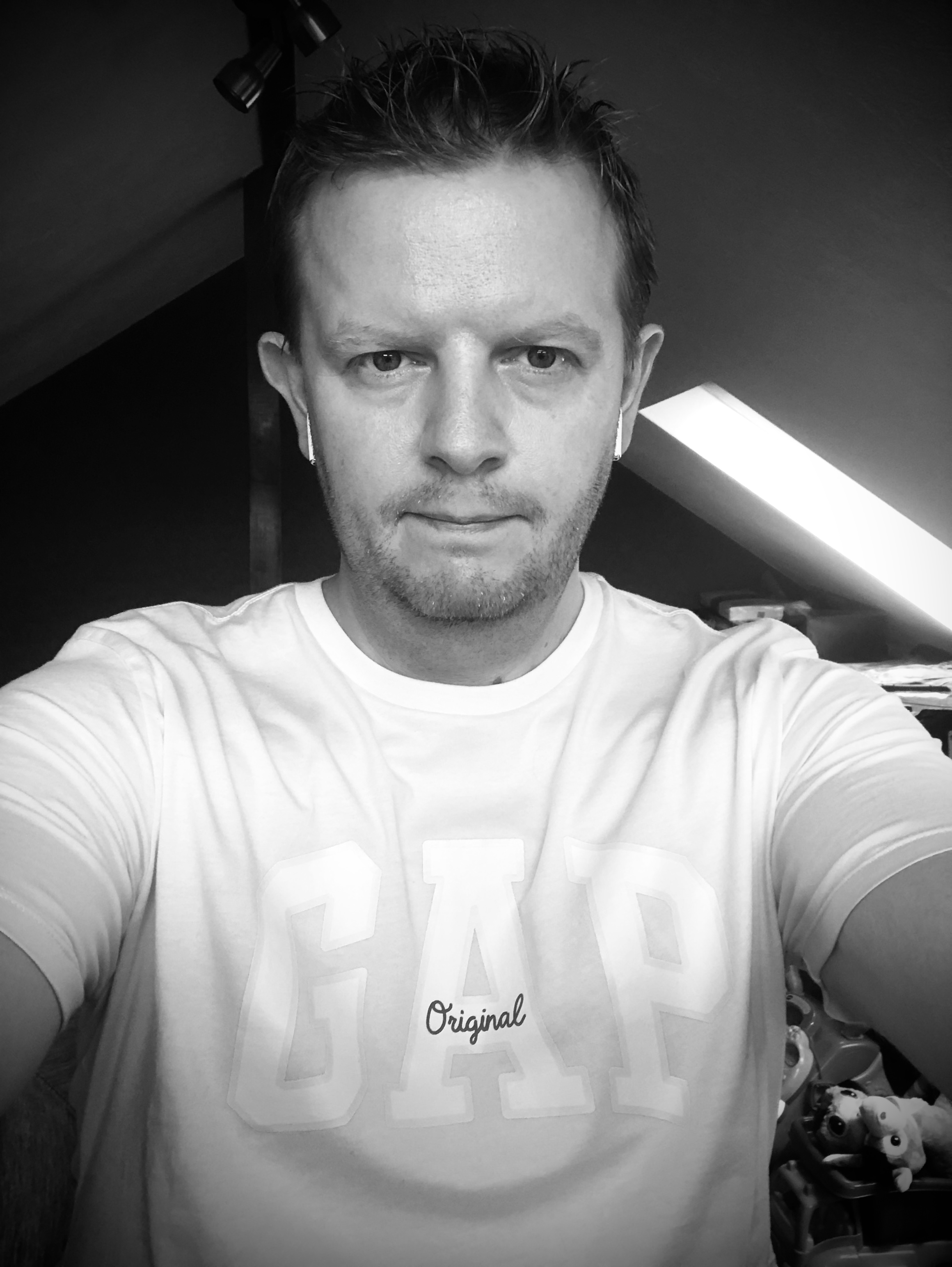
Ben Reed
Software engineer, building in production since 2006. These days that's mostly native Apple work and full-stack web, with a bias towards thinking things through before the first commit.
Current focus
Becoming AI-native: using modern assistants to explore faster, specify tighter, and ship with better guardrails — without losing taste, ownership, or maintainability.
- Tooling: Codex, Claude Code, Cursor (paired with tight constraints and review)
- Structure: reusable prompts, task templates, and repeatable workflows
- Quality: tests first, type-safety, and automated checks before merge
- Learning: staying current with models, tooling patterns, and developer UX
Speed with intent
Faster iteration without lowering the bar.
Small tools
Lean systems that stay easy to run and maintain.
Human-reviewed
Assistants help; I still own the outcome.
What I do
I design and build software with a focus on clarity, ownership, and real-world use.
My background is in native iOS development, but my work now sits at the intersection of product thinking, architecture, and AI-assisted development. I don't just write code — I design systems that can evolve, scale, and be understood months or years later.
I use tools like Claude Code, OpenAI Codex, and Cursor heavily, but not in a “press a button and ship” way. They're useful for getting ideas into code quickly, but they still need direction, constraints, and someone making the calls. That's where most of the work is — defining the problem properly, setting boundaries, and making sure what comes out is something you'd actually want to maintain.
A big part of how I work is building structure around that process — reusable prompts, agent “skills”, and clear guardrails so the output is consistent and production-ready rather than throwaway. If anything, the whole “stay hungry, stay foolish” idea from Steve Jobs feels more relevant here than it probably should — AI makes it very easy to try things quickly, but also very easy to build a lot of nonsense if you're not paying attention.
I'm particularly interested in offline-first, privacy-focused applications and systems that give users ownership of their data. For personal projects, that's also a very deliberate choice — I'm not interested in maintaining backend stacks, user databases, or dealing with compliance and data overhead. I get enough of that in day-to-day work. I'd rather build things that are fast, local, and simple to run.
At a higher level, I care about building things properly: clean architecture over quick hacks, maintainability over novelty, and shipping useful software over chasing trends.
Skills
Experience is shown as a signal meter, reflecting practical confidence in day-to-day delivery.
iOS development (Objective-C & Swift)
Primary discipline with deep, production-level experience across architecture, platform APIs, and delivery.
Web
Strong full-stack web capability, with pragmatic architecture and delivery experience across modern frameworks.
Android development (Kotlin & Java)
Comfortable shipping maintainable Android code in production, particularly when part of multi-platform products.
C#
An actively developing skill area, focused on strengthening modern C# and .NET delivery patterns.
Design
Strong across both interaction design and software architecture decisions.
Planning and documentation
Clear planning and structured documentation to keep delivery aligned and maintainable.
Customer-facing communication
Confident collaborating with stakeholders, translating technical detail into clear product direction.
Debugging and investigation
Methodical debugging and root-cause investigation, especially in complex production workflows.
AI tooling (Claude + Codex)
Strong practical usage with a clear focus on quality controls, constraints, and repeatable outcomes.
Where I've been
Twenty years across agencies, products, and healthcare. Same thread: ship thoughtfully and own the outcome.
Senior Software Engineer
System C Healthcare
Shipping iOS and web in healthcare, with a lot of careful work around ambient listening and workflow tooling.
Acquisition
Careflow Connect → System C Healthcare
Kept the product moving after acquisition, just with a bigger platform around it.
Head of Mobile
Careflow Connect
Built and shipped the iOS app, and helped across Android and web when it made sense.
iOS Developer → Head of Technology
Mubaloo
The years when we shipped on everything: iOS, Android, BlackBerry, Symbian, and mobile web, eventually growing into broader delivery and leadership. Customers included Bang & Olufsen, Endemol Games, Aviva, Allianz, DHL, UBS, NHS, and more.
CMS Developer
Sift Group
Drupal, Flash, and bespoke CMS work, including client sites for The Kennel Club and the NHS.
First Class Honours
University of the West of England
Graduated first class while already shipping production software.
The slightly longer story
I started building software professionally in 2006 during a placement year at Sift Group while studying at the University of the West of England. Back then it was custom CMS work, Drupal development, and Flash. I graduated with a First Class degree in 2008, but by then I'd already been working for two years on sites for clients like The Kennel Club and the NHS.
In 2010 I joined Mubaloo and entered mobile development at full tilt—iOS, Android, BlackBerry, Symbian. I moved from iOS into mobile web, led teams, and eventually held a CTO-level role supporting pitches and delivery for brands including UBS, DHL, William Hill, Aviva, and Alliance.
Agency life rarely let projects run to completion. In 2015 I joined Careflow Connect as Head of Mobile, shipped the Careflow Connect iOS app, and stayed through acquisition by System C Healthcare in 2020—where I still work today.
My work now spans iOS and full-stack web with Vue, Vuetify, and C#. I'm a careful advocate for AI-assisted development—tools like ChatGPT and Claude as partners in delivery, not shortcuts around thinking.
I'm as much an architect as a developer: map the structure, respect the edge cases, then build so the next person doesn't pay for today's hurry.
For a long time I had more ideas than evenings, and life and family meant the bigger side projects stayed in my head. AI changed the economics of it. I can prototype faster, explore safely, and finally ship the things I'd been sketching for years.